
Interior Doors in Jerusalem: Supply and Installation
SecureDoors Israel supplies and installs interior doors in Jerusalem and the surrounding area only: modern design doors, soundproof doors, white or cream polymer sliding doors, flush “zero line” doors and decorative glass doors. We measure every opening in your home, help you choose room by room, and install the door together with its frame.
- Interior doors in the Jerusalem area
- English, Français, עברית
- Sunday to Friday, closed on Shabbat
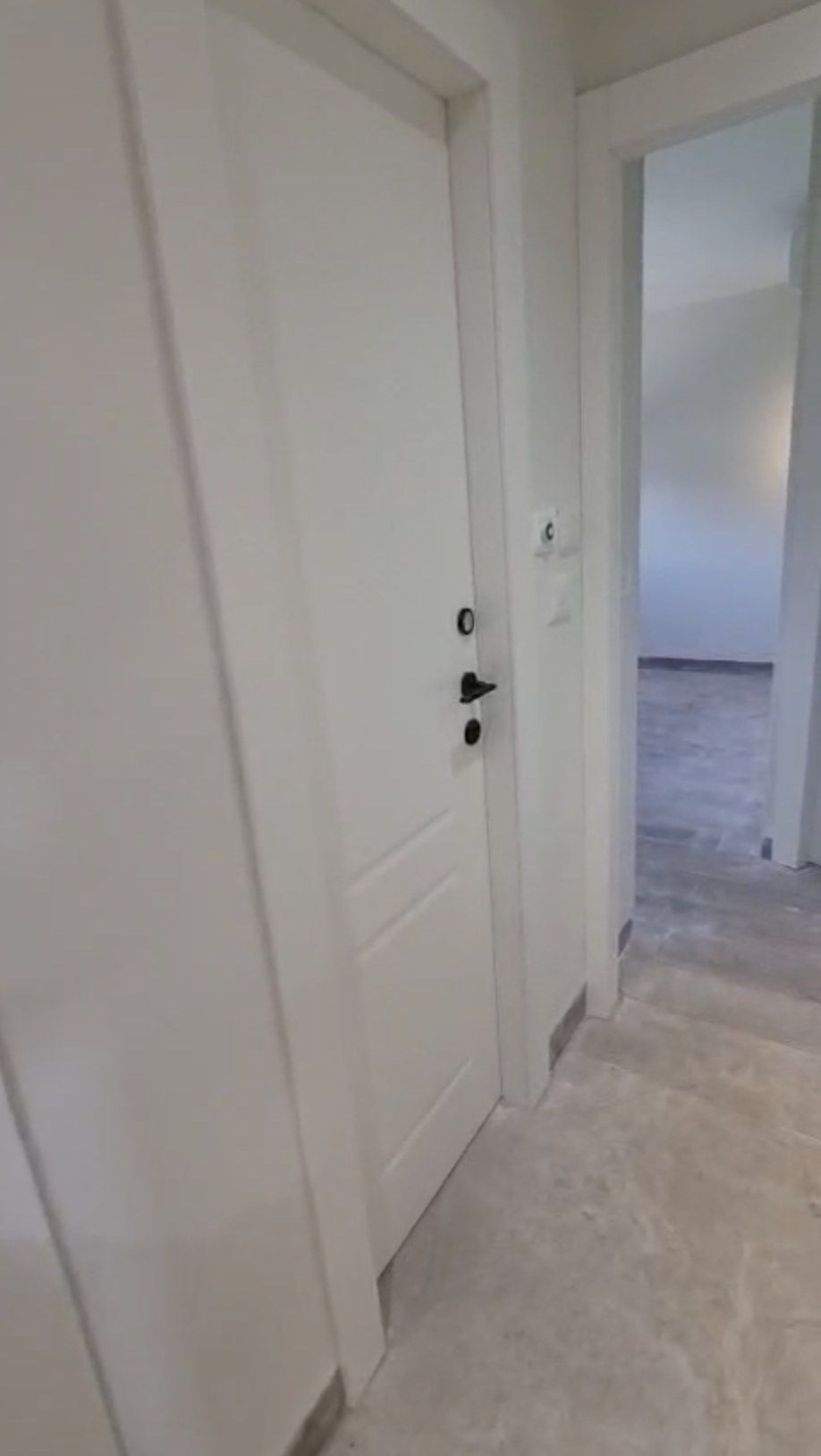
Before and after, in real photos
A real example: the same hallway before and after its interior doors were replaced.
Jerusalem and surrounding area
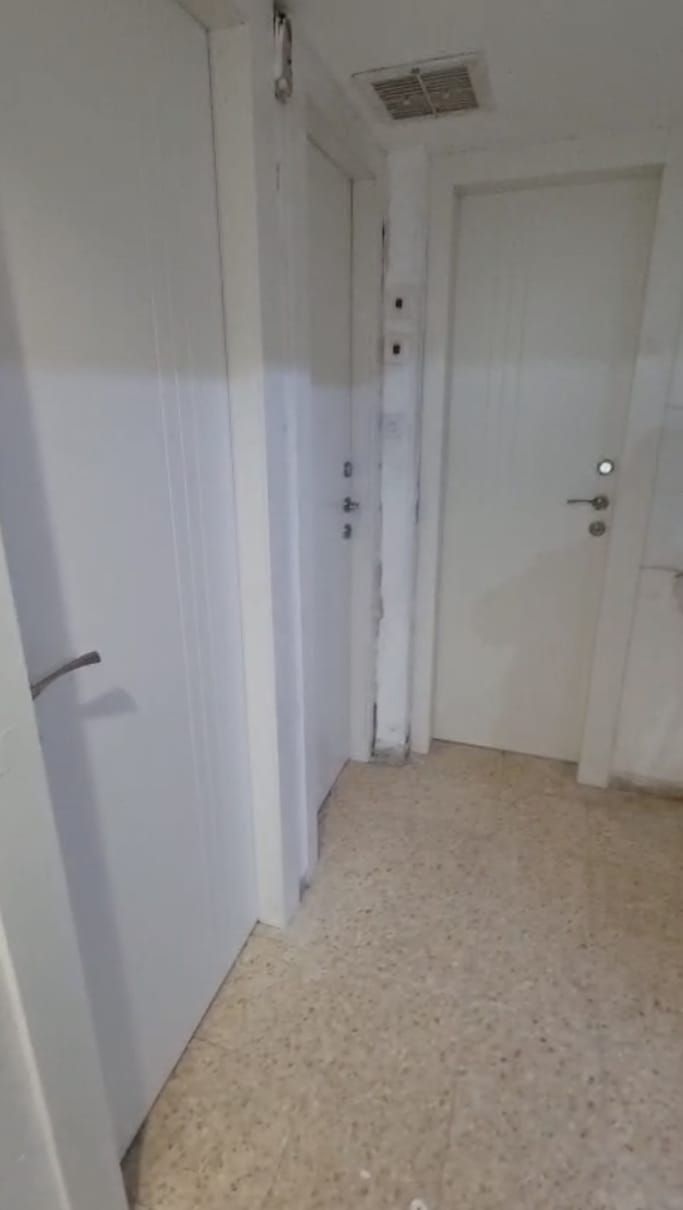
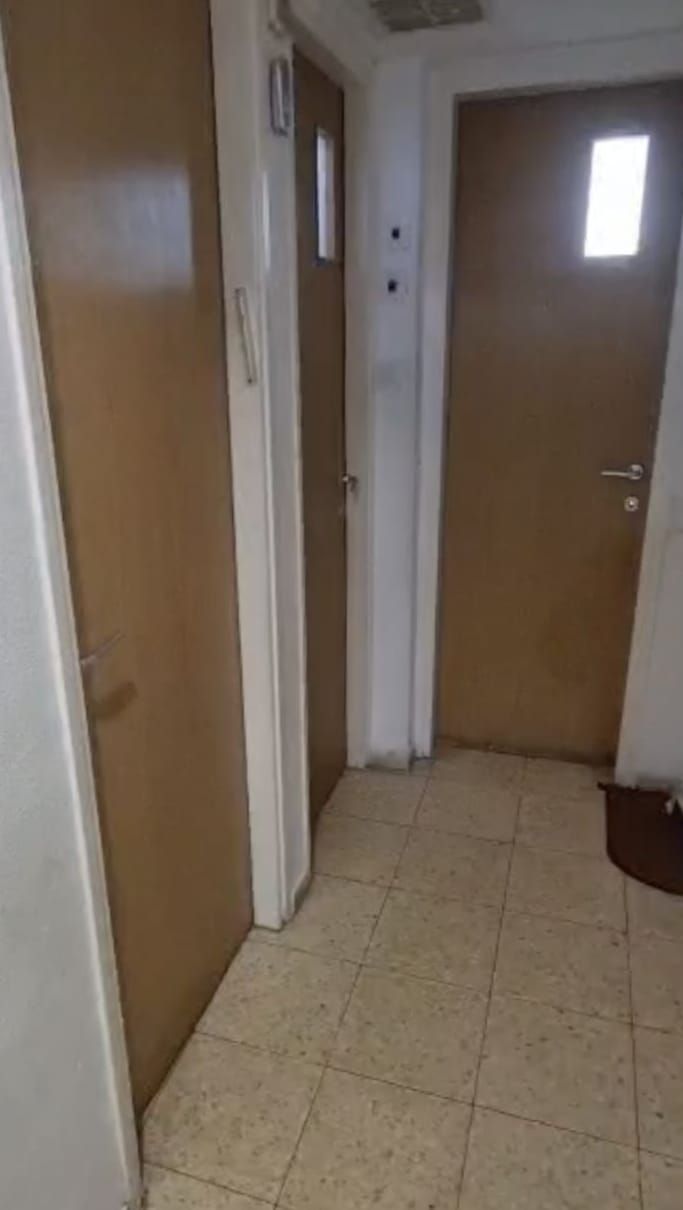
From our jobs
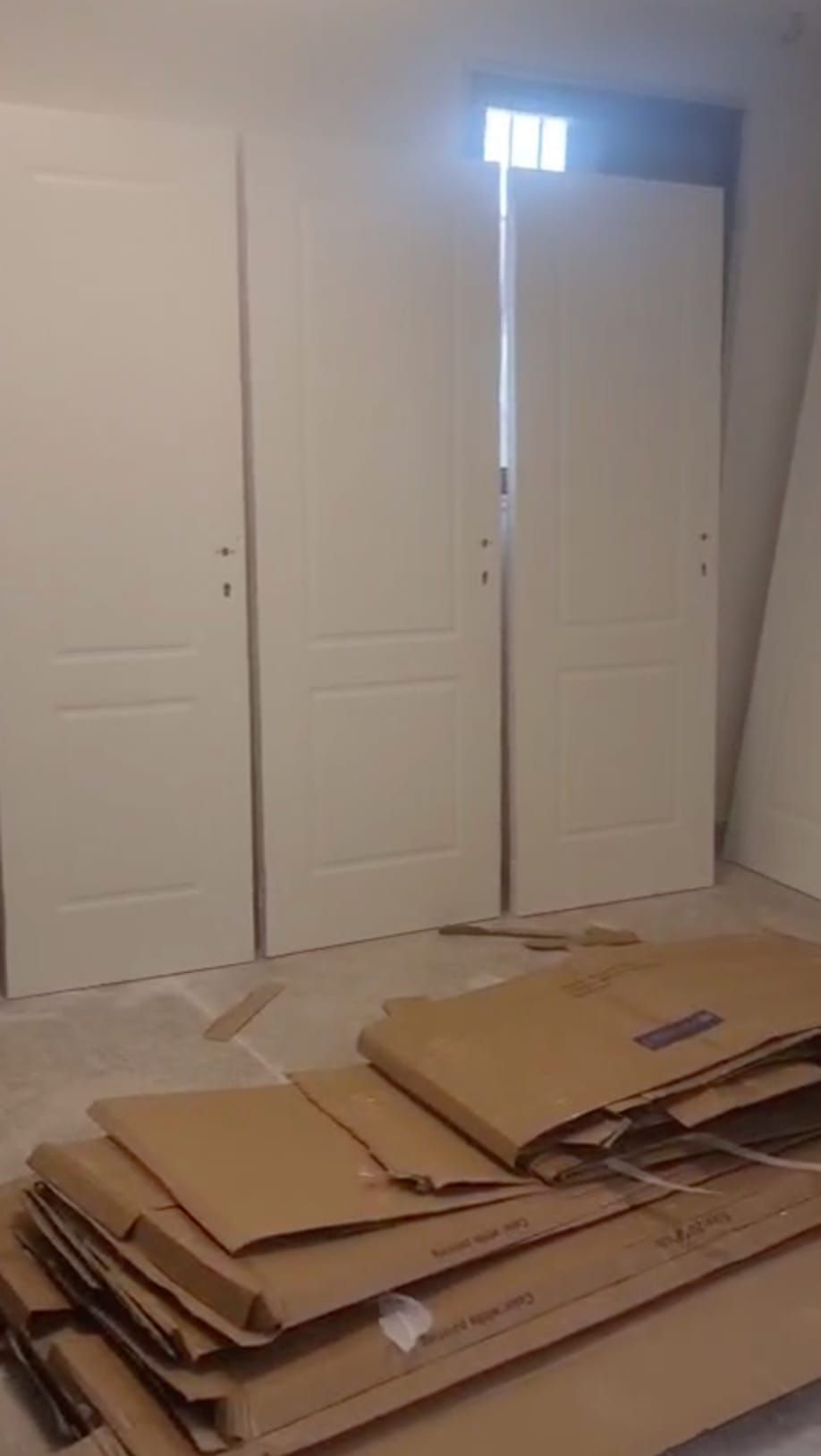
Real photo 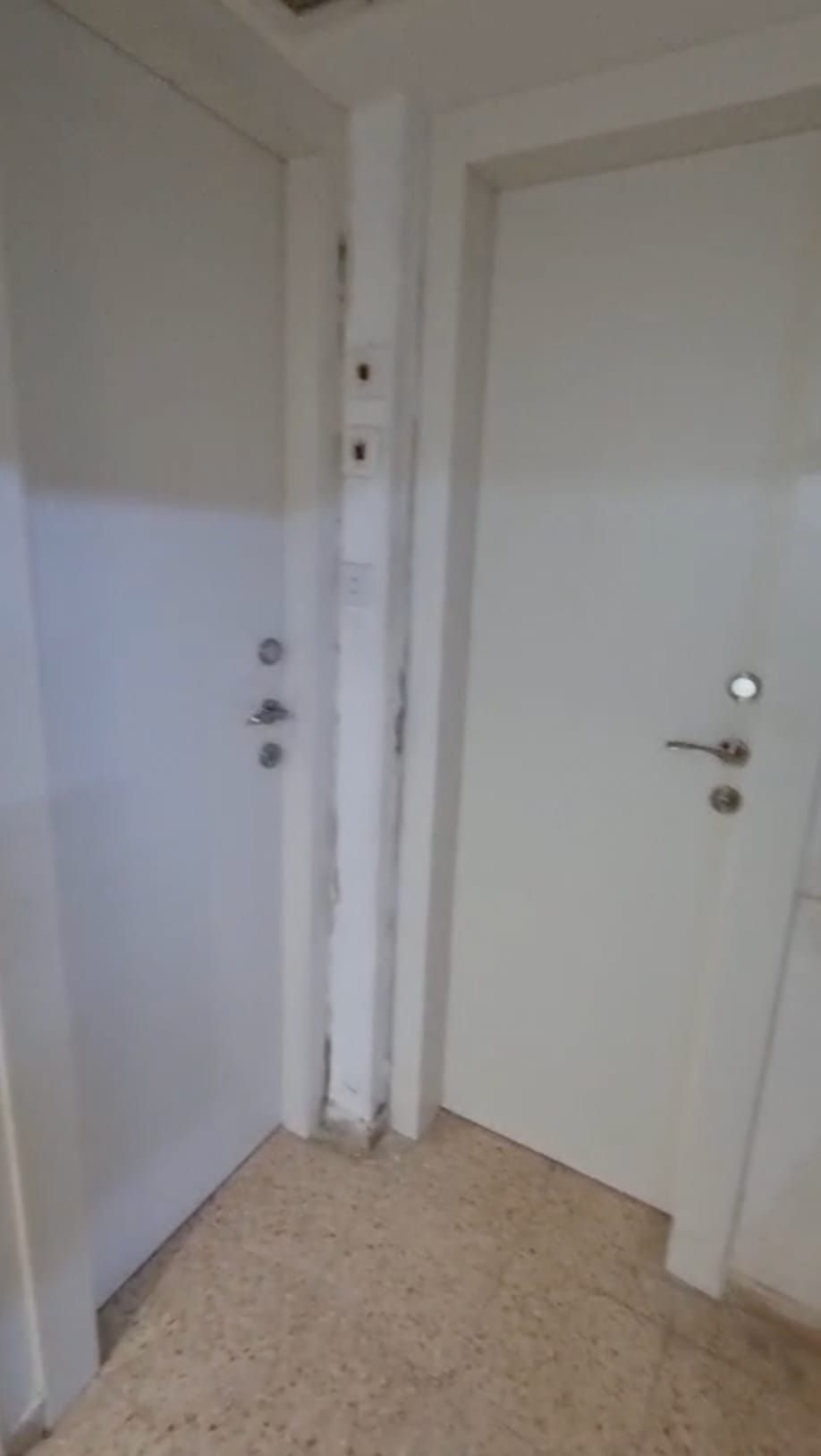
Real photo 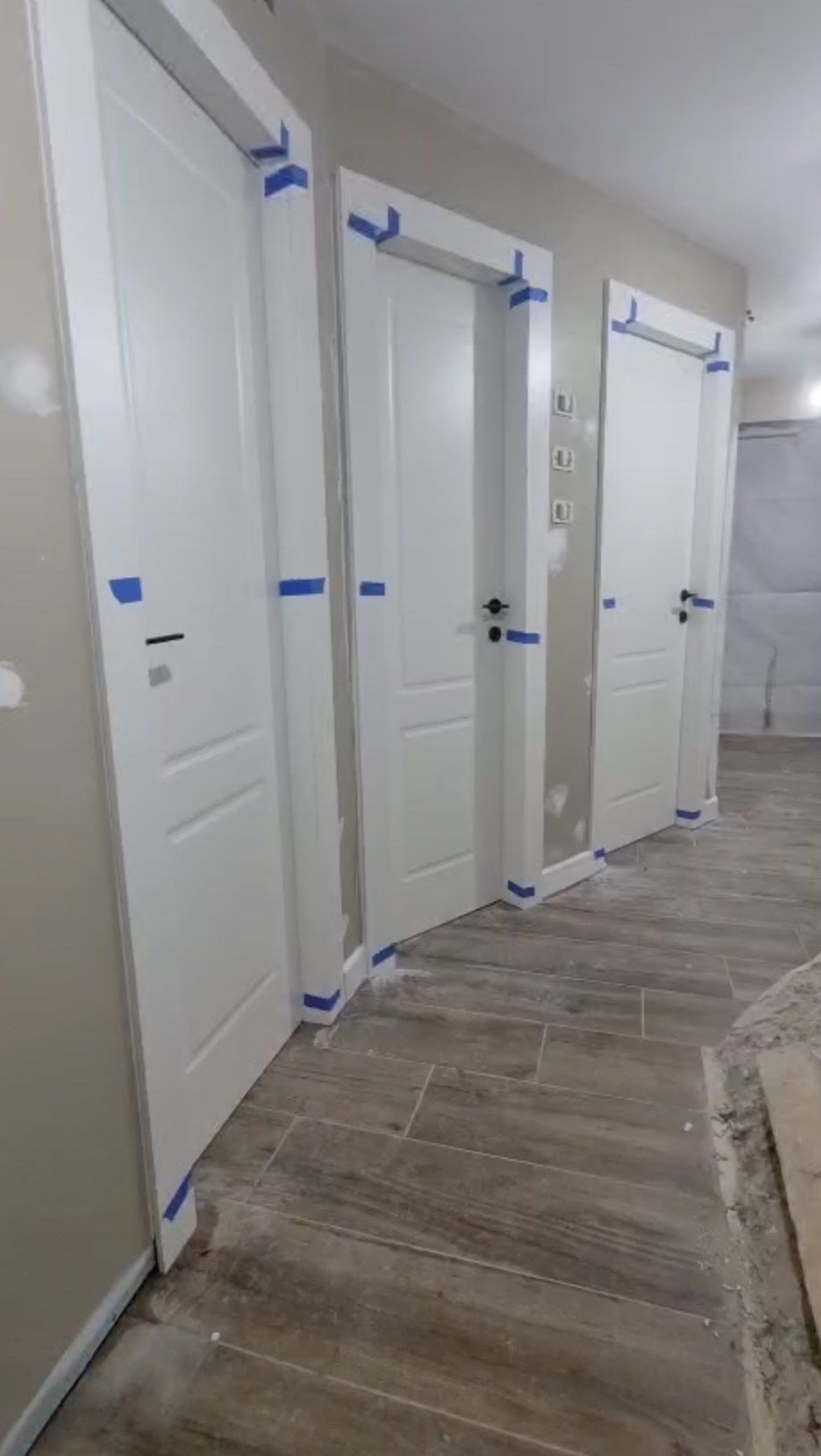
Real photo 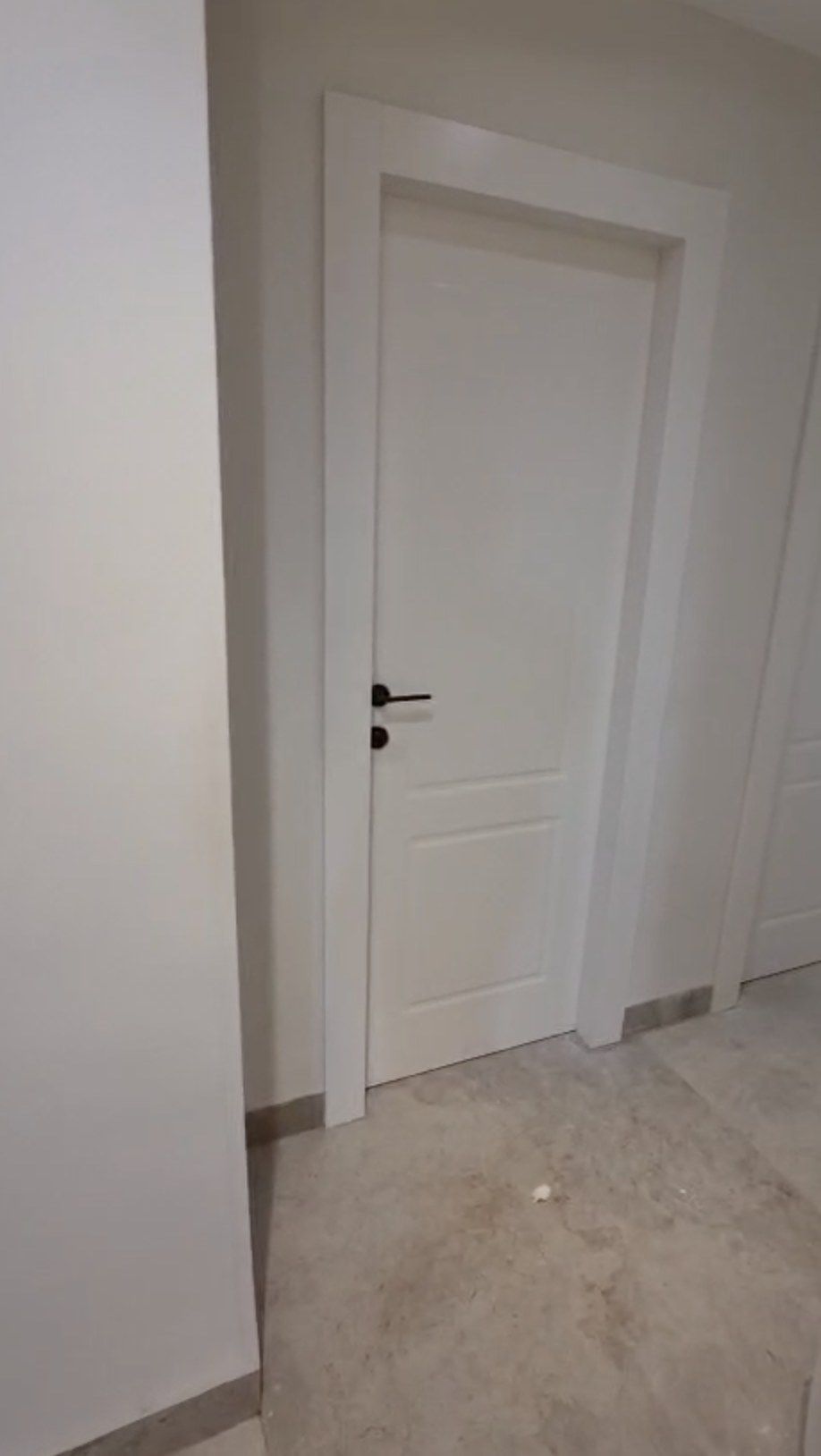
Real photo
Interior door styles
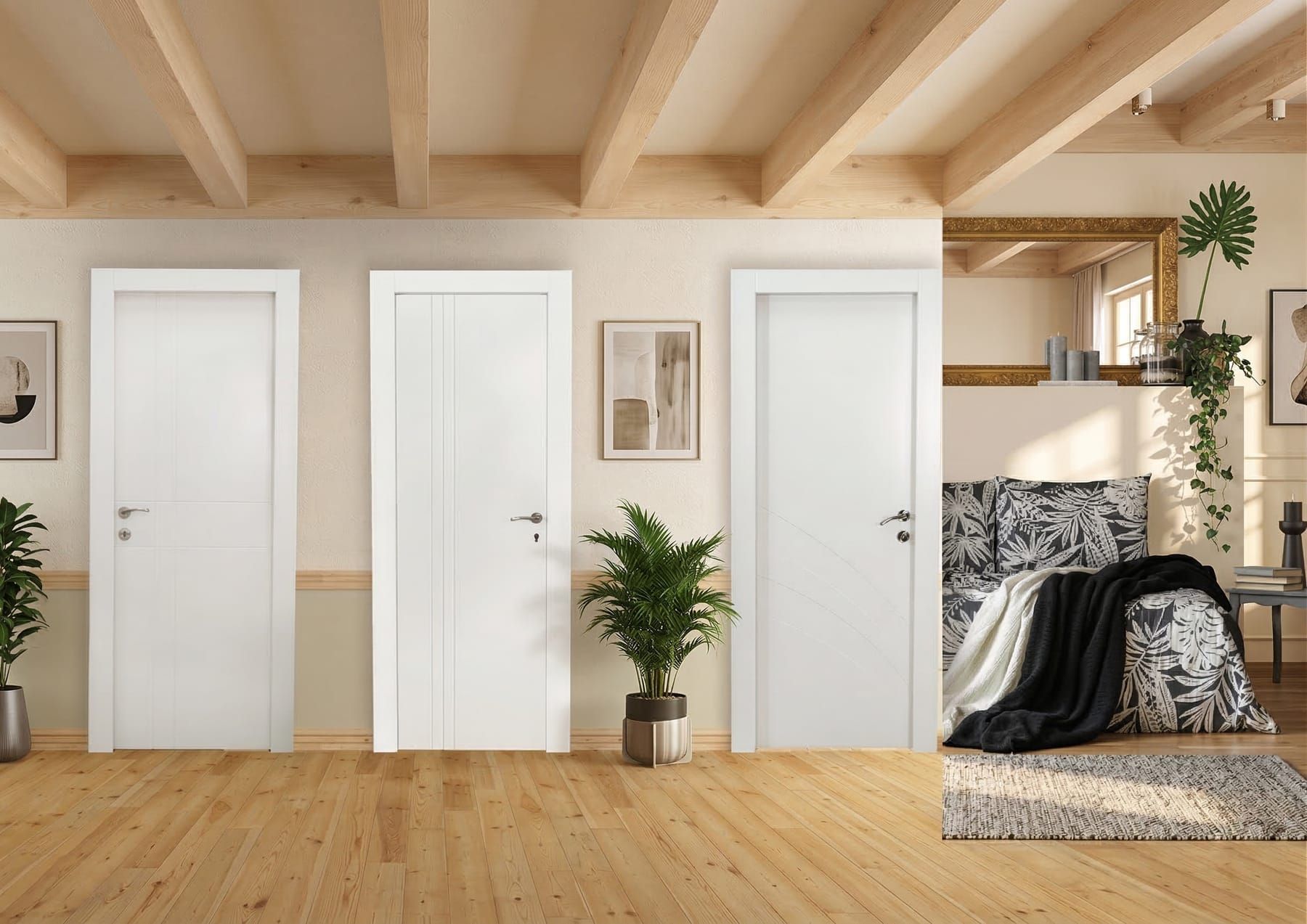
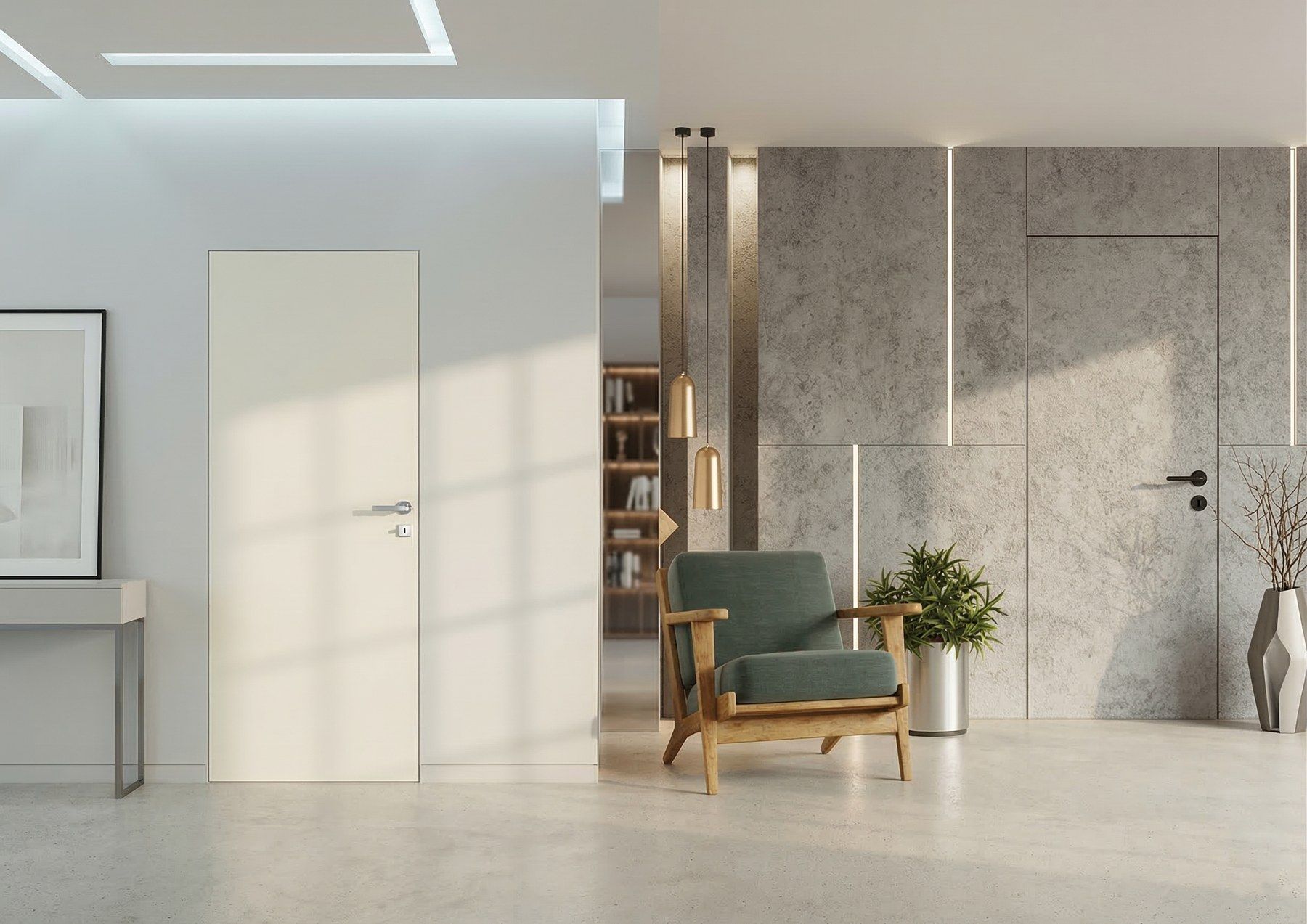
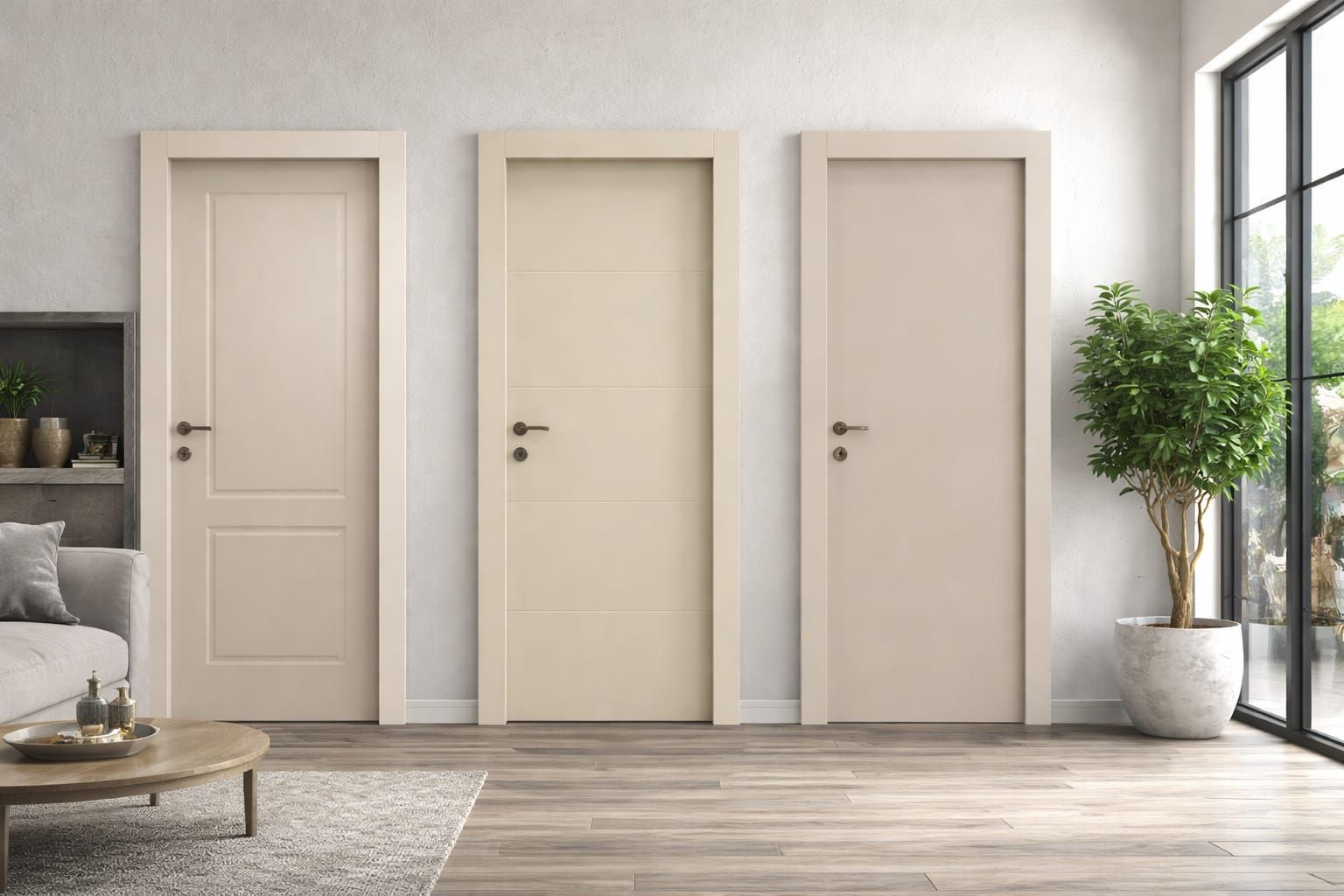
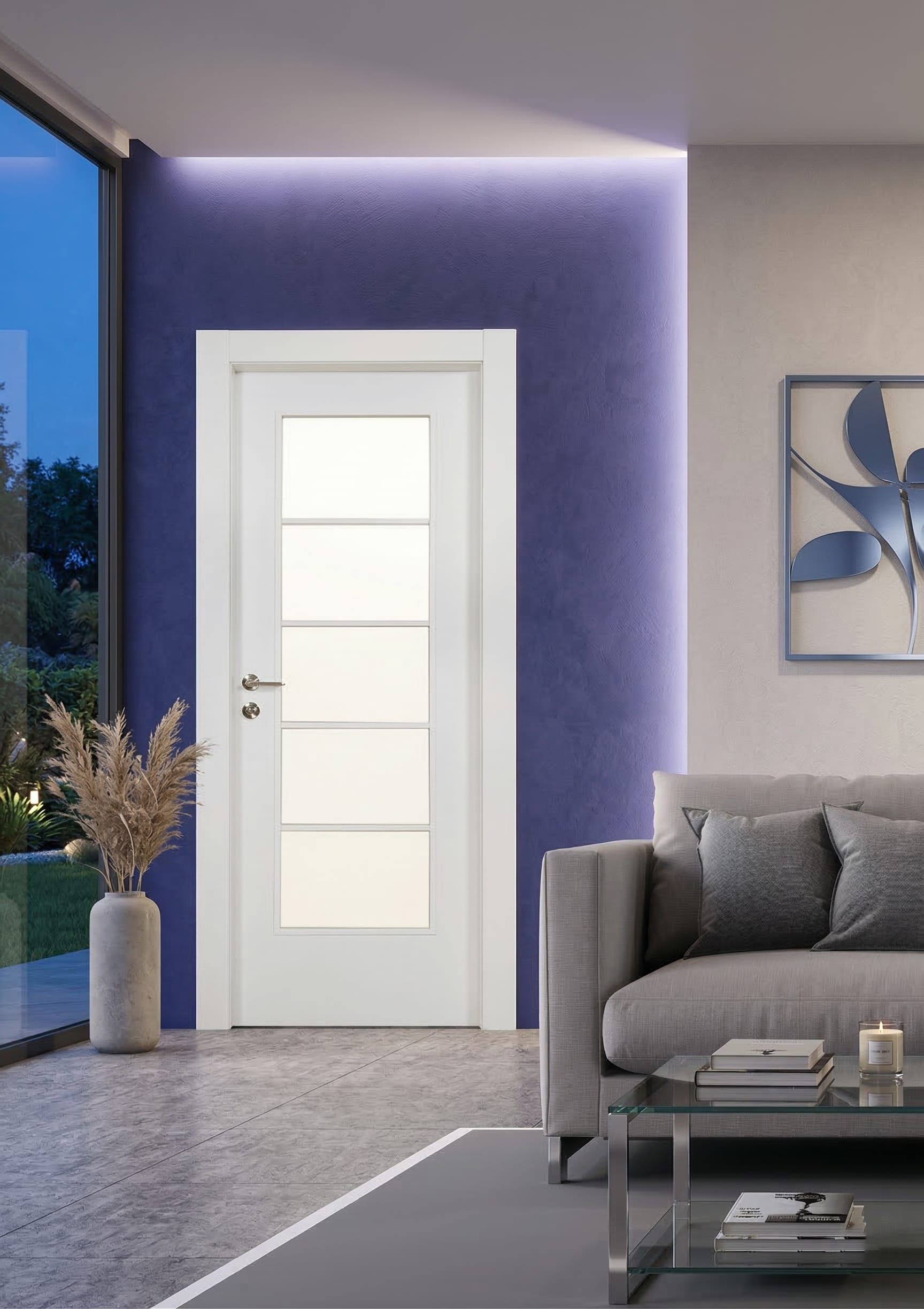
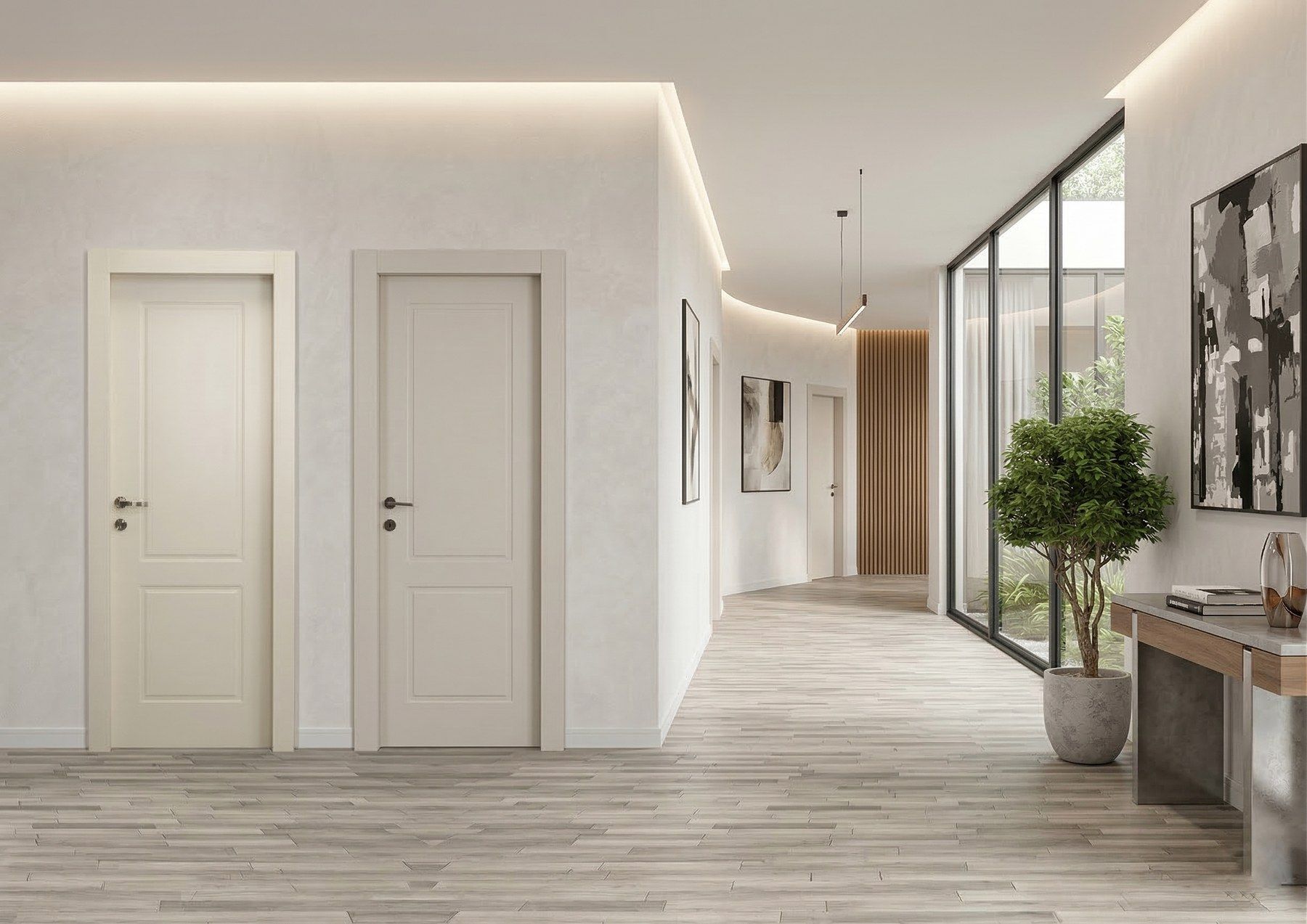
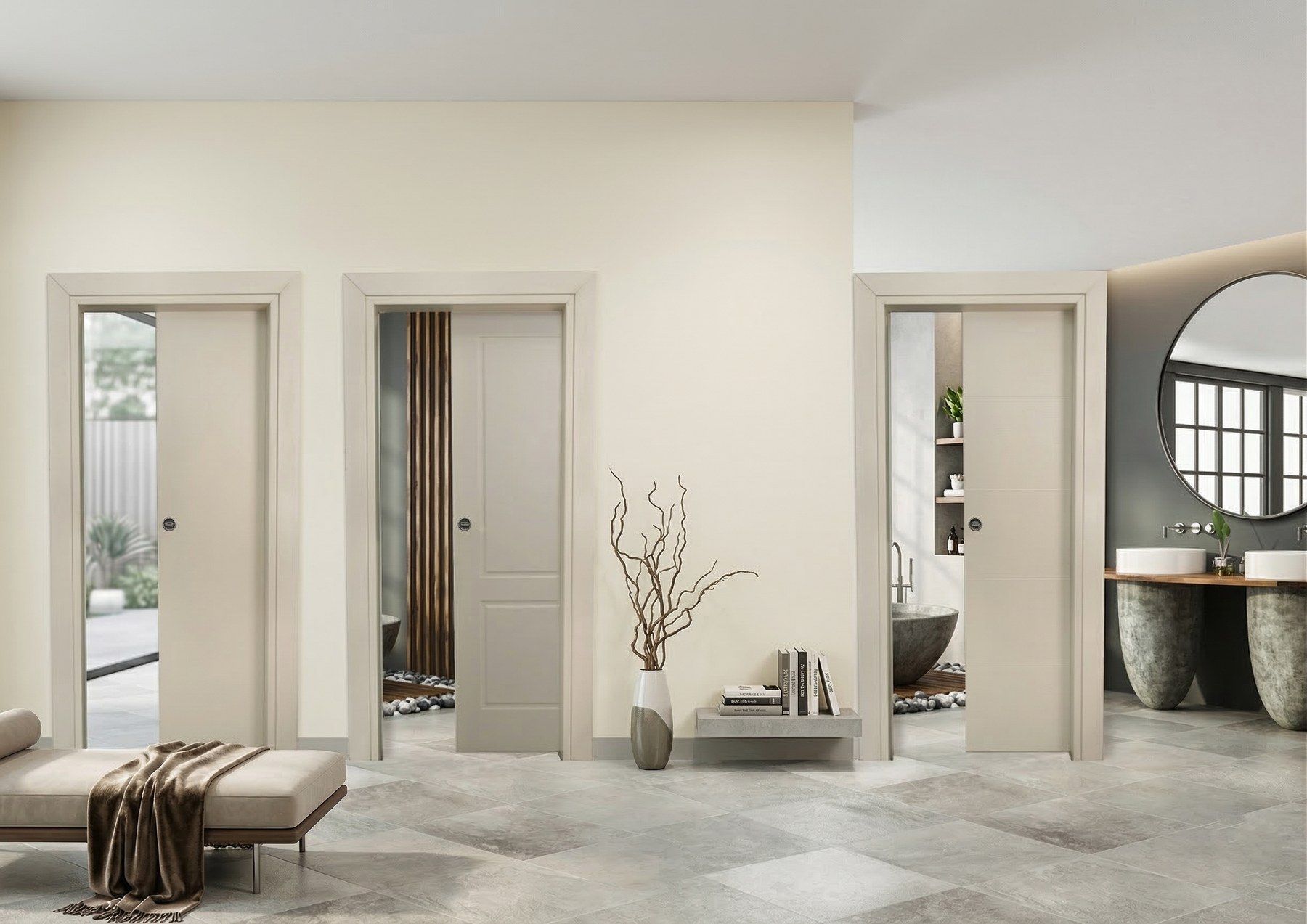
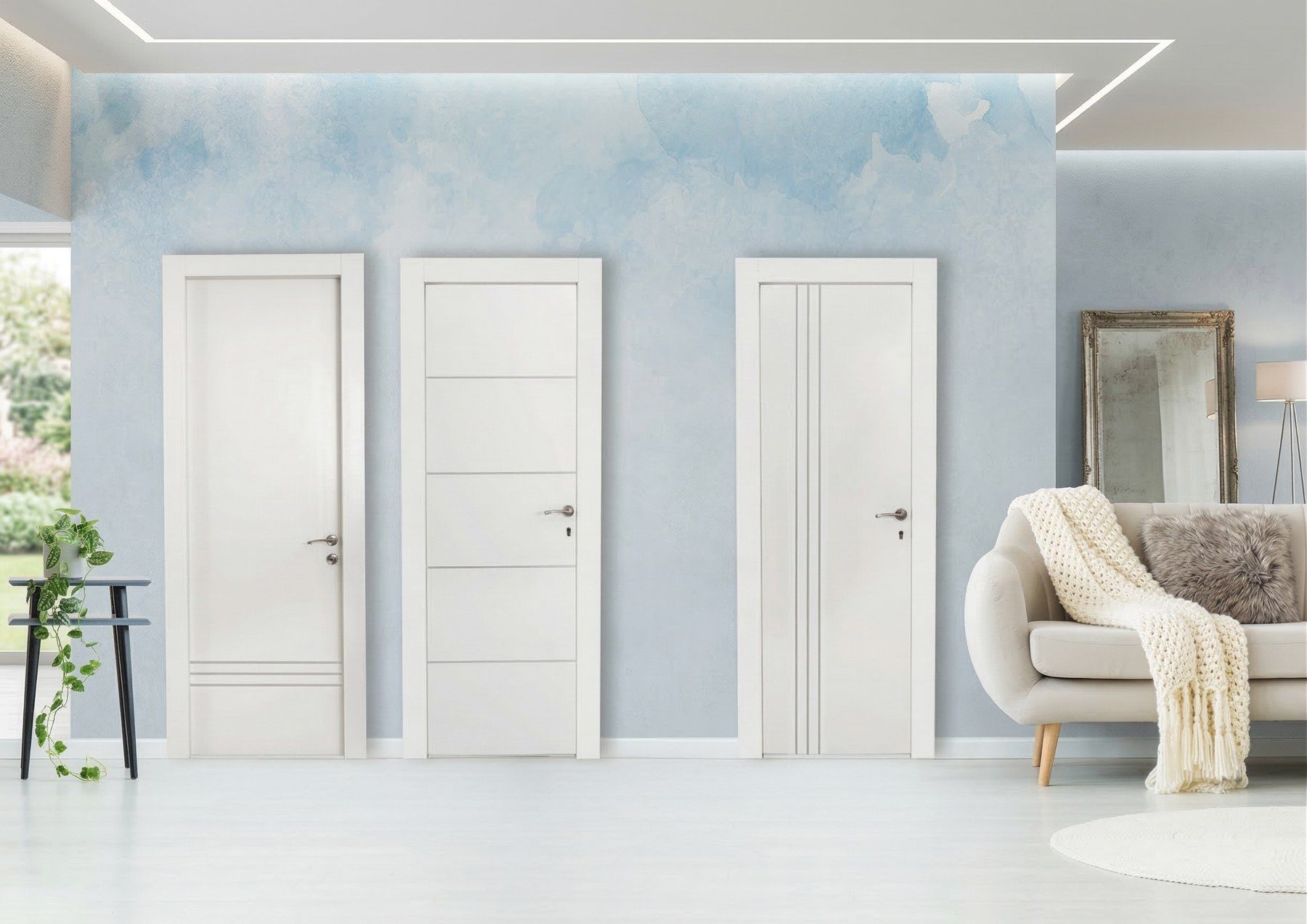
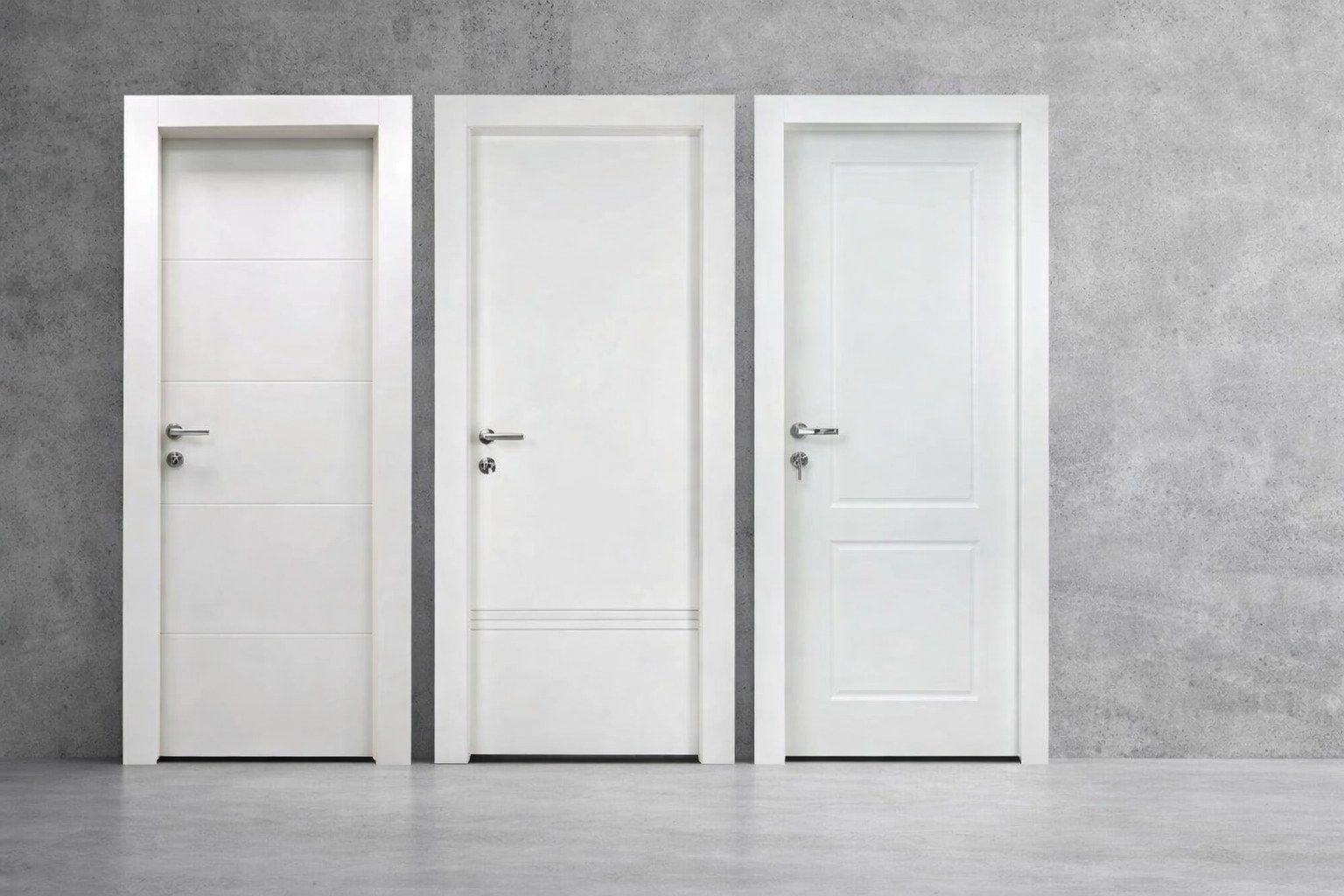
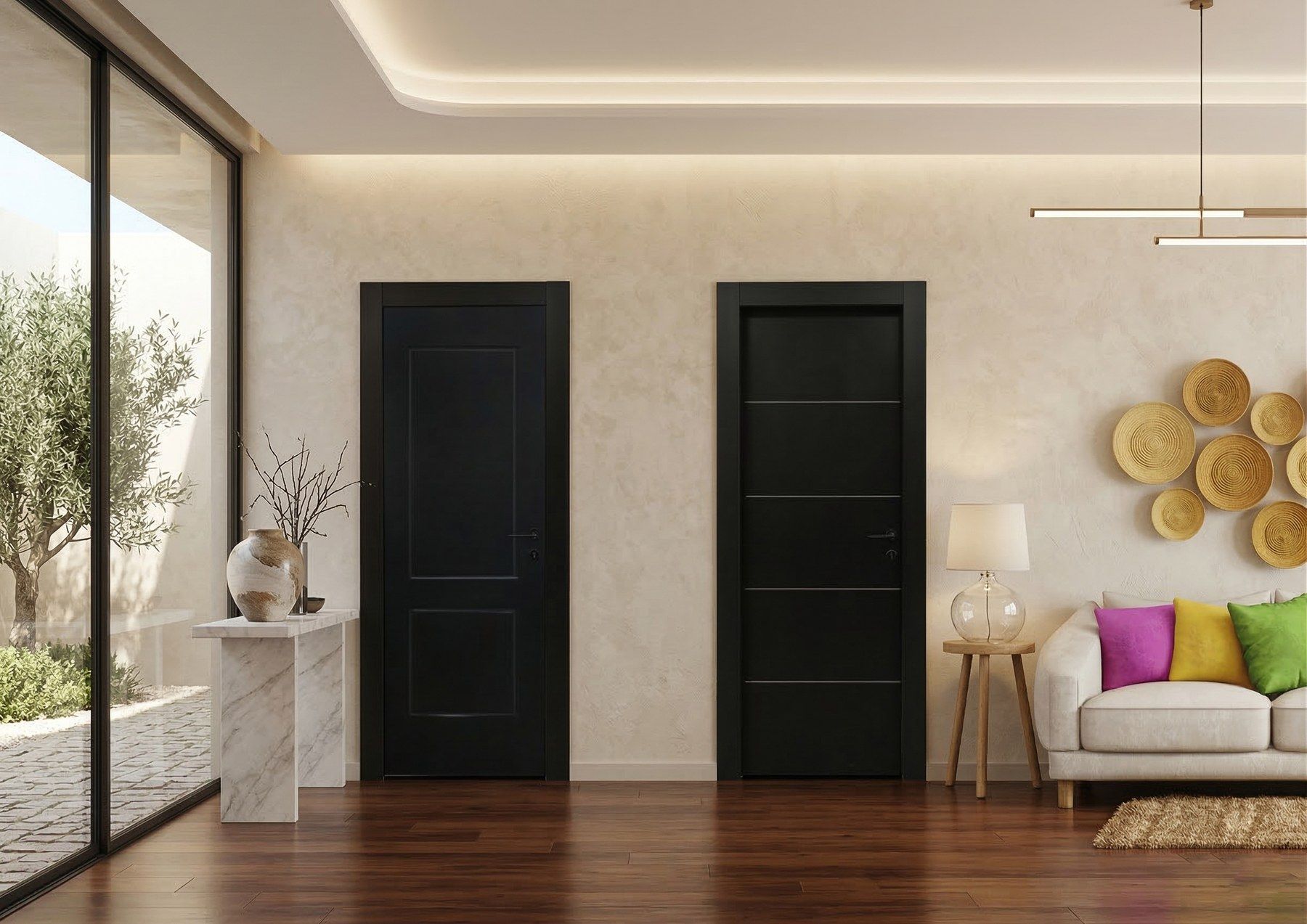
Examples of interior door styles (illustrations)
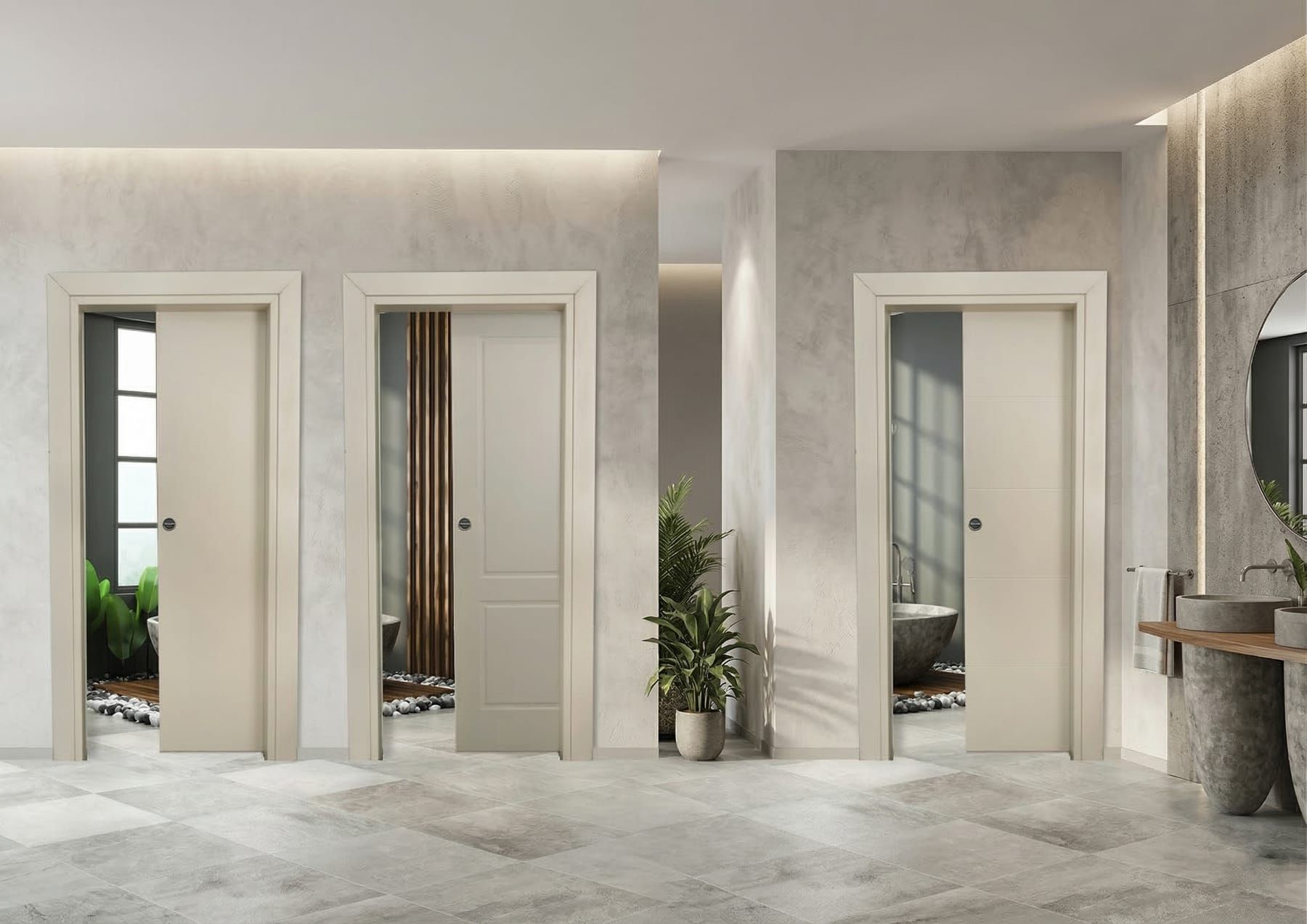
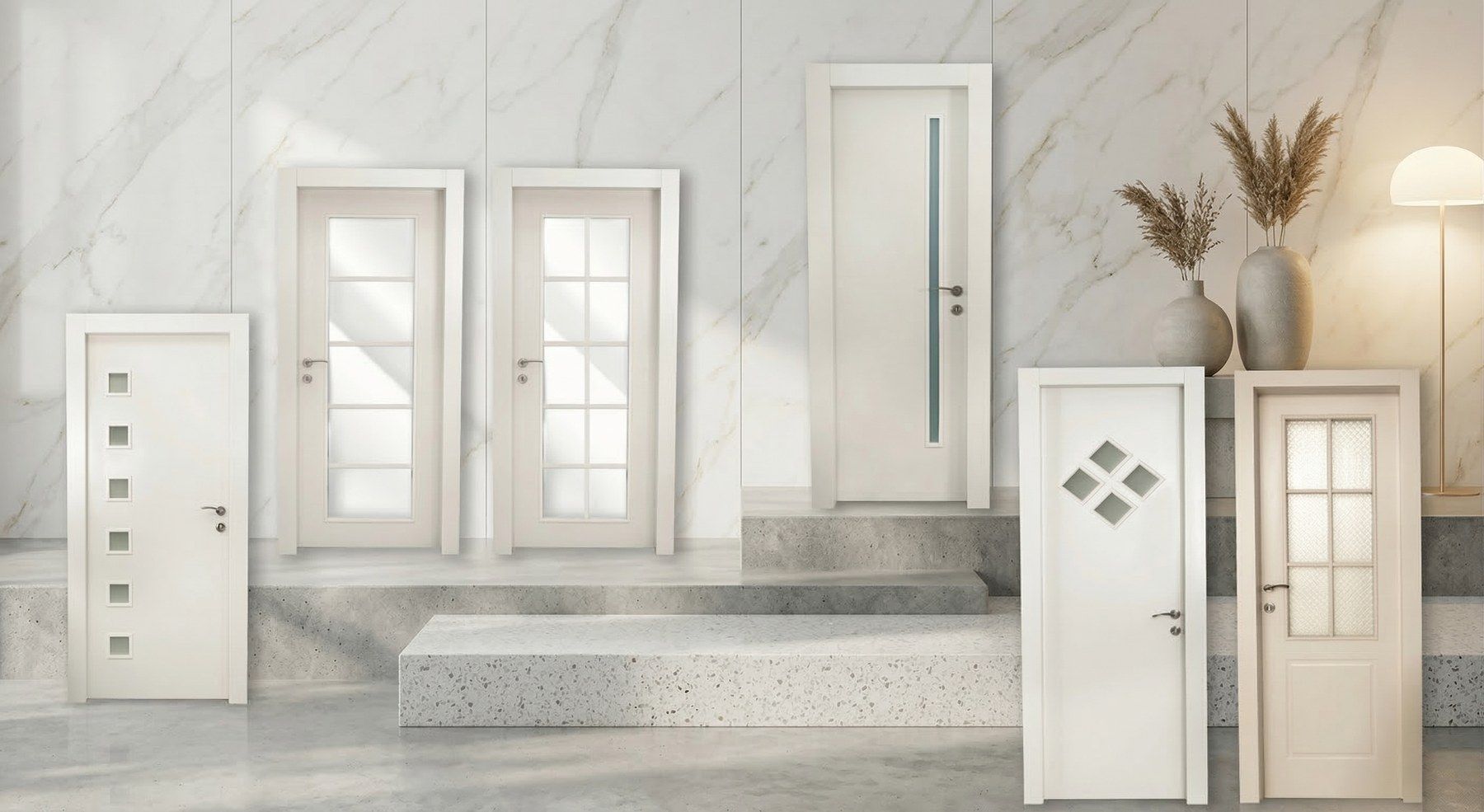
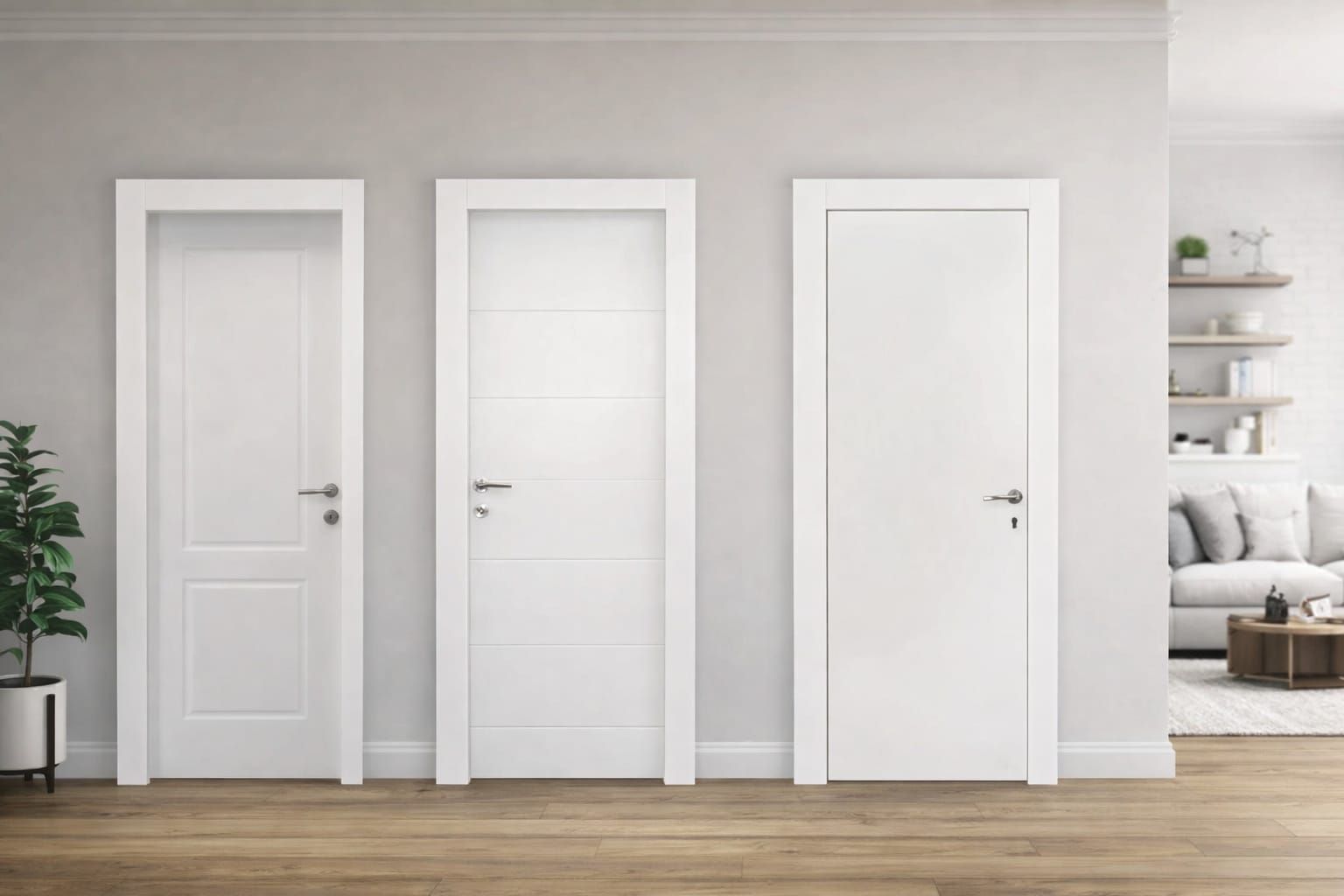
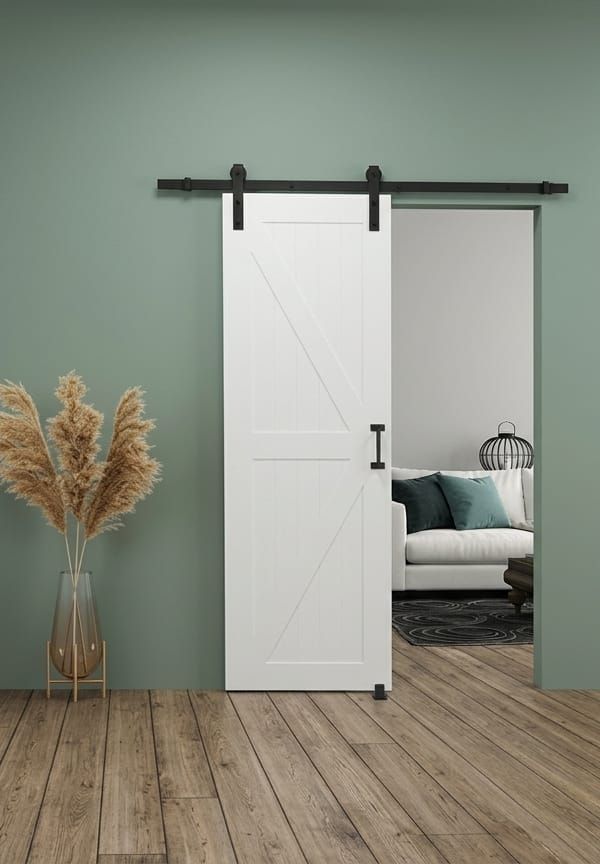
Which interior doors do we offer?
We work with five families of interior doors, which between them cover almost every room in a Jerusalem apartment, from a renovated two-bedroom to a large family home. Each comes in several finishes and colors.
- Modern design doors. Smooth doors, doors with horizontal or vertical grooves, panel doors or curved-line designs, in white, cream or darker shades. They are the usual upgrade from the basic doors a developer installs in a new apartment, known in Israel as dlatot kablan (contractor doors).
- Soundproof doors. A solid core and seals in the frame reduce noise between rooms: kids’ bedrooms, the master bedroom, a home office.
- Polymer sliding doors in white or cream. They free up the space a swinging door needs, which makes a real difference in small rooms and narrow hallways.
- Flush “zero line” doors. The door sits level with the wall with no visible trim, for a clean, minimalist look in hallways and modern interiors.
- Decorative glass doors. Japanese-style, vertical strips, square panes, floral patterns or French-style glazing: the glass lets daylight through while still separating the spaces.
The easiest way to decide is on site, in front of the actual opening. The same door looks very different in a dark hallway and in a bright living room.
Where do we install interior doors?
Only in Jerusalem and the surrounding area. This is the key difference from our locksmith work: for door opening or lock replacement we come out anywhere in Israel, but interior door supply and installation stays within the Jerusalem region.
In practice that means Jerusalem’s neighborhoods, from Rehavia to Ramot and from Pisgat Ze’ev to Gilo or Har Homa, plus nearby communities such as Mevaseret Zion, Ma’ale Adumim or Gush Etzion. Living somewhere else near Jerusalem? Send us your address and we will confirm whether it is covered. Details are on our service areas page.
Which interior door is right for each room?
Choose by how the room is used first, then by style. Here is what we recommend most often:
| Room | What matters | Recommended door |
|---|---|---|
| Bedroom | Quiet, privacy | Solid-core soundproof door with seals |
| Home office | Focus, video calls | Soundproof door, ideally with a bottom seal |
| Bathroom, toilet | Moisture, steam | Polymer door with an occupied/vacant privacy lock |
| Living or dining room | Light, decorative effect | Decorative glass door or design door |
| Hallway, entrance | Clean lines | Flush zero-line door |
| Laundry room, walk-in closet, small room | Saving space | White or cream polymer sliding door |
A few practical pointers:
- Noise. The door is only part of the story: the gap underneath and how well the frame is sealed matter as much as the door’s thickness.
- Moisture. In a windowless Israeli bathroom, a door with a wood or particleboard core tends to swell over time. Polymer handles steam far better and is easy to wipe clean.
- Light. In a dark hallway, a glass door between the living room and the kitchen can change the feel of the whole apartment.
- Consistency. Keep the same color and handle style along one hallway, even if the door types differ.
Polymer, laminate or wood: what’s the difference?
Short answer: polymer handles water best, laminate (laminato) is fine for dry rooms, and wood is heavier but can be repaired. These are the three materials you will see on almost every interior door quote in Israel.
- Polymer (WPC). A composite material that is not bothered by water or steam, which makes it the natural choice for bathrooms, toilets and laundry rooms.
- Laminate (laminato). A wood-based structure with fiberboard skins and a laminate finish. Very common in contractor doors, it looks good in dry rooms but does not like moisture along the edges and at the bottom of the door.
- Wood. Heavy and stable, and it can be sanded, repaired and repainted. In a damp room it needs more upkeep.
How do measuring and installation work?
Everything starts with an accurate measurement of each opening. In Israel, door openings vary a lot from one building to the next, and sometimes from one room to the next.
- Get in touch. Call or WhatsApp 055-508-8444 with a few photos of your current doors, how many doors you want to replace and your neighborhood.
- On-site measurement. Width and height of every opening, wall thickness (concrete block wall or drywall partition, gevess in Hebrew), finished floor level and which way each door should open.
- Choose the model. Door type, color, handles, bathroom lock, glass pattern: we go through it together, room by room.
- Made to measure. The doors and their frames (the mashkof) are prepared to the measurements taken.
- Removal and installation. We take out the old door and, where needed, the old frame, then install, adjust and seal the new one.
- Final check. Opening, closing, the gap underneath and the handles: we check every door with you before we leave.
We work Sunday to Friday and never on Shabbat, which is worth knowing if you are coordinating several contractors on one renovation.
Renovating a Jerusalem apartment: when should the doors go in?
Install the interior doors at the end of the job, after the flooring and the painting. New tiles change the clearance under the door, and painting work tends to damage doors that are already hung.
Some realities specific to Jerusalem:
- Older buildings (Rehavia, Talbiya, Baka, the German Colony): high ceilings, non-standard openings and walls that are not always plumb. Every opening needs measuring separately; an off-the-shelf door rarely fits as is.
- 1950s and 1960s shikunim (Katamonim, Kiryat Yovel): small rooms and narrow hallways. A sliding door often solves the problem of a door that swings into a bed or a closet.
- Newer neighborhoods (Ramot, Pisgat Ze’ev, Har Homa): more regular openings. Here the job is usually swapping the developer’s original doors for quieter or better-looking ones.
- Getting into the building. Many Jerusalem buildings have no elevator, or a narrow one. Tell us the floor and the access when you book, and let the va’ad bayit (building committee) know if the elevator or lobby needs protecting.
- Mezuzot. If the frames are being replaced, take the mezuzot down before the work starts and plan to put them back up afterwards.
Interior door, steel front door, mamad door: what’s the difference?
This page is only about doors between rooms. The front door of most Israeli apartments is a steel security door, often called a pladelet, and its security depends mainly on the lock and cylinder. That is the job of our security locks service and our locksmith in Jerusalem. The door of the mamad (the reinforced safe room) is a steel protective door built to Home Front Command requirements, not a decorative interior door.
How do you get a quote for interior doors?
Send us a photo of each door on WhatsApp along with the number of rooms and your neighborhood, or call 055-508-8444. We speak English, Hebrew and French, which makes a renovation a lot easier if you are still getting used to Israeli building terms. You can also use our contact page or read more about us: a Jerusalem-based business with over 10 years of experience.
Updated
Frequently asked questions
Can you replace just the door and keep the existing frame?
Sometimes, if the frame is sound, straight and the right size. In older buildings the frame is often warped or buried under layers of paint, and replacing the whole unit gives a cleaner result. We check this when we measure.
Do you install interior doors in Tel Aviv, Netanya or Haifa?
No. Interior door supply and installation is limited to Jerusalem and the surrounding area. Our locksmith services, such as door opening and lock or cylinder replacement, do cover all of Israel.
Does a sliding door mean knocking down a wall?
Not necessarily. A surface-mounted (barn-style) sliding door runs on a rail fixed above the opening, with no construction work. A pocket door that disappears into the wall does require opening up or rebuilding the partition, so plan it at the start of a renovation.
What exactly is a zero-line door?
On a standard door the trim (casing) sticks out from the wall and frames the door. On a zero-line door the leaf sits flush with the wall and the frame is hidden in the plaster, with no visible trim. It needs a very straight wall, and it can be painted the wall color so it almost disappears.
Will a soundproof door block all the noise from a bedroom?
It cuts noise noticeably, but the result also depends on the gap under the door, the frame seals and the wall itself. A heavily insulated door set in a thin drywall partition will still let some sound through.
I rent my apartment. Can I change the interior doors?
Yes, with your landlord’s written consent, since the doors are part of the property. You can also agree to store the old doors and put them back when the lease ends.
Need a locksmith?
Call us or message us on WhatsApp. We answer in English, Hebrew or French.
055-508-8444Sunday to Friday, closed on Shabbat